همه خانههای کانتینری یکسان ساخته نمیشوند - و اگر بازار استرالیا را هدف قرار میدهید، «بهنظر میرسد» حساب نمیشود.
AU Compliance انجام می دهد.
برای توسعهدهندگان، سازندگان و مدیران پروژهای که مسکن مدولار را برای استرالیا تامین میکنند، تفاوت بین جعبهای که در حالت نشسته قرار میگیرد و جعبهای که بازرسی میشود به یک چیز خلاصه میشود:استانداردهای استرالیا
اما دقیقاً چه چیزی یک خانه کانتینری را می سازداستاندارد استرالیا? و چرا مهم است - فراتر از گرفتن تیک از گواهی دهنده؟
بیایید تجزیه کنیم که یکواقعیخانه کانتینری قابل ارتقا استاندارد استرالیا، قطعه به قطعه است.
بازار استرالیا سازش نمی کند – ساختمان ما هم نباید
استرالیا دارای برخی از سختگیرانهترین قوانین ساختمانی در جهان است.
کد ملی ساخت و ساز (NCC) به ویژه این نوار را بالا می گذارد
برای ساختمان های قابل سکونت اکثر خانههای کانتینری زیر آب میروندکلاس 1a(خانه های مستقل) یاکلاس 10a(غیر مسکونی)، و
الزامات ایمنی سازه، مقاومت در برابر آتش، ضد آب و بهره وری انرژی غیرقابل مذاکره است.
برای خانه های مدولار وارداتی، انطباق اختیاری نیست.
هر ساختاری باید باشددارای گواهینامه مهندسی، اغلب به فرم 15 از یک مهندس حرفه ای ثبت شده در کوئینزلند (RPEQ) یا معادل آن در سایر ایالت ها نیاز دارد تا تأیید کند که ساختمان برای استفاده مورد نظر مناسب است.
بنابراین وقتی یک تامین کننده می گوید "استاندارد استرالیا"، در واقع چه چیزی را ارائه می دهد؟
1. یکپارچگی ساختاری که با استانداردهای AS/NZS مطابقت دارد
یک خانه قابل توسعه استاندارد استرالیایی واقعی با قاب شروع می شود.
ساختار اصلی به طور معمول از ساخته شده استفولاد گالوانیزه Q235 سنگین، با حداقل ضخامت3 میلی متربرای قاب اصلی این فولاد سبک سنج نیست - برای مقاومت در برابر شرایط منحصر به فرد استرالیا طراحی شده است.
الزامات اصلی ساختاری عبارتند از:
- انطباق با بار باد
: طراحی شده بر اساس AS/NZS 1170.2:2021 برای مناطق بادی A-D، با حداقل مقاومت در برابر باد0.6kN/m².
- عملکرد لرزه ای
: مقاومت در برابر زلزلهدرجه 8یا بالاتر
- ظرفیت بار سقف
: سقف بار زنده از0.5-0.9kN/m²، به چندین بزرگسال اجازه می دهد تا با خیال راحت روی پشت بام بایستند.
- ظرفیت بار کف
: طبقه بار زنده از2.0-3.0kN/m²، مناسب برای مصارف سنگین
گالوانیزه گرماستاندارد برای هر جزء فولادی است، با جوشکاری کامل و عملیات ضد خوردگی حتی در گوشه های داخلی اعمال می شود. این تضمین می کند که عمر مفید آن20 سال یا بیشتر- حتی در محیط های ساحلی یا با رطوبت بالا.
2. طراحی تاشو که به عنوان یک ظرف حمل می شود، به عنوان یک خانه گسترش می یابد
نوآوری واقعی خانه های کانتینری قابل گسترش در آنها نهفته استطراحی دو حالته.
در حالت حمل و نقل، یک دستگاه 20 فوت تا حدودی تا می شود5900 × 2200 × 2480 میلی متر- ابعاد دقیق یک کانتینر حمل و نقل استاندارد 20 فوتی. این امکان حمل و نقل دریایی کارآمد، کاهش هزینه های لجستیک و ساده سازی حمل و نقل را فراهم می کند.
پس از ورود، واحد به اندازه کامل خود گسترش می یابد - معمولاً در اطراف5900 × 6260–6480 × 2480 میلی متر، ایجاد37-38 متر مربعفضای قابل استفاده یک واحد 30 فوتی می تواند تقریباً تحویل دهد55 متر مربعاز فضای زندگی
این گسترش در محل انجام می شودبه اندازه 2 ساعت. نتیجه ساختمانی است که مانند یک کانتینر حمل می شود اما مانند یک سازه دائمی زندگی می کند.
3. سیستم های برق و لوله کشی ساخته شده برای انطباق استرالیا
این جایی است که بسیاری از واحدهای وارداتی کوتاهی می کنند - و جایی است که یک محصول واقعی استاندارد استرالیا متمایز می شود.
سیستم های الکتریکی:
- 220–240 ولت / 50 هرتز
ورودی، مطابق با استانداردهای ایمنی الکتریکی استرالیا.
- دارای گواهینامه SAA
کلیدها، پریزها و تابلوهای توزیع.
-
سیم کشی از پیش نصب شده با رابط های اختصاصی برای تهویه مطبوع و لوازم خانگی.
-
سیستمهای کامل حفاظت از زمین و نشت، کاملاً مطابق با الزامات ایمنی الکتریکی مسکونی NCC.
سیستم های لوله کشی:
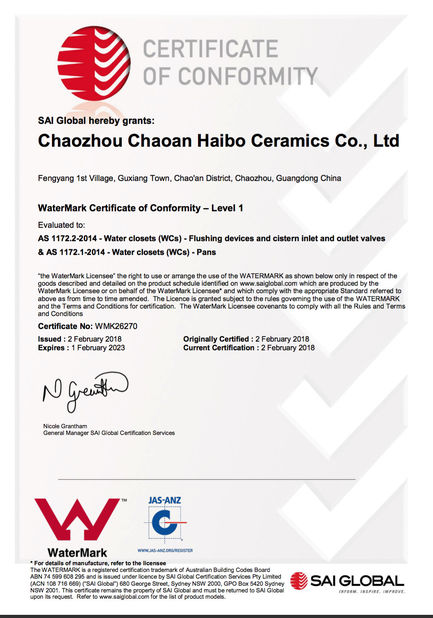
- دارای گواهی واترمارک
- درجه غذایی
لوله های مطابق با استانداردهای AS/NZS.
-
مواد مقاوم در برابر خوردگی و ضد پیری مناسب برای کیفیت آب و شرایط فشار محلی.
-
لوله کشی کاملاً عایق و ضد نشتی که مشکلات پس از نصب را از بین می برد.
لوله کشی و سیم کشی برق از قبل نصب شده است و امکان استفاده فوری و بدون ساخت و ساز اضافی را فراهم می کند.
4. ایمنی آتش، عایق، و مواد بدون آزبست
مقررات استرالیا استانداردهای بالایی را برای ایمنی آتش سوزی و ایمنی مواد می طلبد. یک واحد استاندارد استرالیایی واقعی در هر دو جبهه ارائه می شود.
ایمنی آتش نشانی:
-
استفاده از دیوارها و سقفساندویچ پانل های 50-75 میلی متری EPS یا پشم سنگ.
-
امتیاز آتش می رسدB1(غیر قابل احتراق، خود خاموش شونده).
-
عایق پشم سنگ فراهم می کندحفاظت در برابر حریق کلاس A.
عایق حرارتی:
-
عایق با چگالی بالا بین لایه های فولادی به عنوان یک پوسته محافظ ترموستاتیک عمل می کند و در برابر گرما و سرما عایق می شود.
-
این برای آب و هوای متنوع استرالیا حیاتی است - از رطوبت ساحلی گرفته تا امواج گرمای داخلی.
انطباق بدون آزبست:
-
تمام مصالح ساختمانی - از پانل های دیوار خارجی گرفته تا پانل های دیوار داخلی و مواد آب بندی - هستنددارای گواهینامه بدون آزبست.
-
این امر خطرات انطباق را حذف می کند و الزامات زیست محیطی و ایمنی سختگیرانه استرالیا را برای مصالح مسکونی برآورده می کند.
5. آماده برای استفاده فوری - "Move-In Ready"
یک خانه قابل توسعه استاندارد استرالیایی واقعی فقط یک پوسته نیست. کاملا مجهز و آماده برای استفاده فوری می باشد.
ارتفاع شفاف داخلی حداقل 2400 میلی متر، کاملاً با الزامات NCC برای اتاق های قابل سکونت مطابقت دارد و اطمینان می دهد که فضا نه تنها قانونی است، بلکه واقعاً راحت است.
در داخل، خواهید یافت:
- کابینت از پیش نصب شده
- اتاق خواب های مجزا
با تخت خواب و مبلمان قابل تنظیم.
-
الفحمام پیش ساختهیکپارچه سازی توالت، دوش، سینک و آبگرمکن.
- کفپوش چوبی بدون آزبست و سازگار با محیط زیست
که مقاوم در برابر سایش، مقاوم در برابر لغزش و ضد آب است.
- خطوط آب سرد و گرم از پیش نصب شده
واحد به عنوان یک بسته کامل تحویل داده می شود - بدون نیاز به ساخت و ساز اضافی در محل.
چرا مهم است: انطباق "خوب داشتن" نیست
برای توسعه دهندگان، سازندگان و مدیران پروژه استرالیایی، خطرات زیادی وجود دارد.
خانه های کانتینری وارداتی باید رعایت کنندکد ملی ساخت و ساز (NCC)و مقررات محلی ساختمان بدون گواهینامه مناسب، یک ساختمان نمی تواند گواهی شغلی (OC) دریافت کند - به این معنی که نمی توان آن را به طور قانونی اشغال کرد یا فروخت.
کار با تأمینکنندهای که استانداردهای استرالیا را میشناسد، فقط به این معنی نیست که از تأخیر جلوگیری شود - بلکه به این معناست که پروژه شما تأیید، اشغال و سودآور باشد.
میخانه زمان : 2026-06-28 18:45:19
>> لیست اخبار


 پیام شما باید بین 20 تا 3000 کاراکتر باشد!
 Persian